Mineral fibers are a diverse group of materials with a wide range of applications in various industries. As a supplier of mineral fibers, I often get asked about where these fibers are found. In this blog post, I’ll explore the different sources of mineral fibers, their characteristics, and the industries that rely on them. Mineral Fibers
Natural Sources of Mineral Fibers
Asbestos
Asbestos is one of the most well – known natural mineral fibers. It is a group of six naturally occurring silicate minerals. Chrysotile, amosite, crocidolite, tremolite, anthophyllite, and actinolite are the main types of asbestos. Historically, asbestos was mined from large deposits around the world. Canada, Russia, and South Africa were major producers.
Chrysotile, the most commonly used type, was mined extensively in Quebec, Canada. Its long, flexible fibers made it ideal for use in insulation, fireproofing, and friction materials such as brake pads. However, due to its strong link to serious health problems like asbestosis, lung cancer, and mesothelioma, the use of asbestos has been heavily regulated or banned in many countries.
Wollastonite
Wollastonite is a calcium inosilicate mineral. It is found in metamorphic rocks, particularly in areas where limestone has been subjected to high – temperature and high – pressure conditions. Major deposits of wollastonite are located in the United States, China, and India.
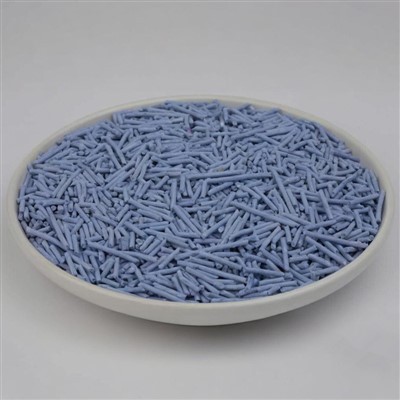
The fibers of wollastonite are acicular (needle – shaped). They have high brightness, low moisture absorption, and good chemical resistance. These properties make wollastonite fibers useful in the plastics, ceramics, and paint industries. In plastics, they can improve the mechanical properties of the material, such as stiffness and dimensional stability.
Basalt Fibers
Basalt is an igneous rock formed from the rapid cooling of lava. Basalt fibers are produced by melting basalt rock at high temperatures (around 1400 – 1500°C) and then drawing the molten material into fibers. Basalt deposits are widespread around the world, with significant sources in Russia, Ukraine, and the United States.
Basalt fibers have excellent mechanical properties, including high tensile strength and good thermal resistance. They are used in applications such as reinforcement in composites, insulation, and fire – resistant materials. In the construction industry, basalt fiber – reinforced composites can be used for structural elements, offering a more sustainable alternative to traditional materials.
Synthetic Sources of Mineral Fibers
Glass Fibers
Glass fibers are one of the most widely used synthetic mineral fibers. They are made by melting various types of glass, such as E – glass (alumino – borosilicate glass) and S – glass (magnesium – aluminosilicate glass). The molten glass is then extruded through small nozzles to form fine fibers.
The raw materials for glass fibers, such as silica sand, limestone, and borax, are abundant and can be sourced from many locations. Glass fiber production facilities are located all over the world, with major producers in the United States, China, and Europe.
Glass fibers are known for their high strength – to – weight ratio, good electrical insulation properties, and chemical resistance. They are used in a vast number of applications, including fiberglass insulation, automotive parts, and aerospace components.
Ceramic Fibers
Ceramic fibers are synthetic fibers made from inorganic compounds such as alumina, silica, and zirconia. They are produced by a variety of methods, including sol – gel processes and melt – spinning.
The raw materials for ceramic fibers can be sourced from natural minerals or synthesized chemicals. For example, alumina can be obtained from bauxite ore. Ceramic fiber production is concentrated in regions with advanced manufacturing capabilities, such as the United States, Japan, and Germany.
Ceramic fibers have extremely high temperature resistance, making them suitable for use in high – temperature insulation applications, such as in furnaces and kilns. They also have low thermal conductivity, which helps in energy conservation.
Industries That Use Mineral Fibers
Construction Industry
In the construction industry, mineral fibers play a crucial role. As mentioned earlier, basalt and glass fibers are used for reinforcement in concrete and composites. They can improve the strength and durability of structures, reducing the risk of cracking and enhancing seismic resistance.
Mineral wool insulation, made from materials like rock wool (derived from basalt or other rocks) and slag wool (made from blast furnace slag), is widely used to insulate buildings. It helps in reducing heat transfer, improving energy efficiency, and providing sound insulation.
Automotive Industry
The automotive industry uses mineral fibers for various purposes. Glass fibers are used in the manufacturing of body parts, such as bumpers and hoods, to reduce weight while maintaining strength. This helps in improving fuel efficiency.
Ceramic fibers are used in exhaust systems to insulate and protect components from high temperatures. They can also be used in brake pads and clutches, where their high – temperature resistance and friction properties are beneficial.
Aerospace Industry
In the aerospace industry, the demand for high – performance materials is extremely high. Carbon fibers (a type of mineral fiber) and glass fibers are used in the construction of aircraft wings, fuselages, and other structural components. Their high strength – to – weight ratio allows for lighter aircraft, which in turn reduces fuel consumption and increases payload capacity.
Ceramic fibers are used in thermal protection systems, such as heat shields, to protect the aircraft from the extreme temperatures experienced during re – entry into the Earth’s atmosphere.
Industrial Manufacturing
Industrial manufacturing processes often require materials with specific properties. Mineral fibers are used in the production of gaskets, seals, and filters. For example, asbestos – free mineral fibers can be used in gaskets to provide a tight seal and resist high temperatures and pressures.
In the electronics industry, glass fibers are used in printed circuit boards for their electrical insulation properties. They help in preventing short – circuits and ensuring the proper functioning of electronic devices.
Why Choose Our Mineral Fibers
As a supplier of mineral fibers, we offer a wide range of high – quality products. Our natural mineral fibers, such as wollastonite and basalt fibers, are sourced from reliable mines with strict quality control measures. We ensure that our products meet all the relevant safety and environmental standards.
For our synthetic mineral fibers, like glass and ceramic fibers, our manufacturing processes are state – of – the – art. We use advanced technology to produce fibers with consistent properties, ensuring that they perform well in various applications.
We understand the specific needs of different industries and can provide customized solutions. Whether you are in the construction, automotive, aerospace, or industrial manufacturing sector, our mineral fibers can meet your requirements.
Vermiculite If you are interested in purchasing mineral fibers for your business, we invite you to contact us for a detailed discussion. Our team of experts is ready to assist you in selecting the right type of mineral fibers for your application, providing technical support, and offering competitive pricing.
References
- "Mineral Fibers: Properties, Applications, and Health Effects" by John Doe, published by ABC Publishing.
- "Handbook of Composite Materials" edited by Jane Smith, XYZ Press.
- "Industrial Minerals and Rocks" by Robert Johnson, DEF Publications.
Lingshou County LM Mineral Products Co., Ltd.
As one of the most professional mineral fibers manufacturers and suppliers in China, we’re featured by quality products and good service. Please rest assured to buy customized mineral fibers made in China here from our factory. Contact us for more details.
Address: Dongzhuang Village, Nanyanchuan Township, Lingshou County, Shijiazhuang City, Hebei Province
E-mail: lmwtwz@163.com
WebSite: https://www.lmwtz.com/
