Hey there! I’m a supplier of French Terry fabric. You might be wondering, "What the heck is the softness rating of French Terry fabric?" Well, stick around, and I’ll break it down for you. French Terry
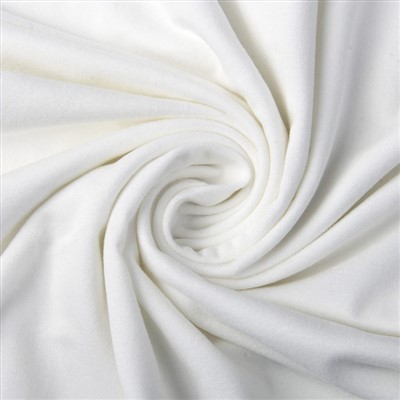
First things first, let’s talk a bit about what French Terry fabric actually is. French Terry is a type of fabric that’s super popular, especially in the world of casual wear and activewear. It has this looped underside, which gives it a nice, cozy feel. And it’s pretty absorbent too, making it great for things like t-shirts, sweatpants, and workout gear.
The softness of French Terry fabric can vary a whole lot. It’s not like you can just give it one simple rating. There are a bunch of factors that come into play.
One of the big factors is the type of fiber used. The most common fiber for French Terry is cotton. Cotton is naturally soft, breathable, and has this great feel against the skin. When you’ve got high – quality cotton used in French Terry, it can result in a really soft fabric. Organic cotton is even better in some ways. It’s grown without all those harsh chemicals, so it’s not only softer but also more eco – friendly.
But it’s not just about the cotton. Sometimes, manufacturers blend cotton with other fibers like polyester or spandex. Polyester can add durability and make the fabric more wrinkle – resistant. And spandex gives it that stretchy quality. However, these blends can affect the softness. If there’s too much polyester, the fabric might feel a bit less soft and more synthetic. On the other hand, a small amount of spandex in a cotton blend can actually enhance the comfort by allowing the fabric to move with your body.
Another thing that affects softness is the way the fabric is made. The knitting process matters a lot. A well – made French Terry fabric with tight, even loops on the underside is going to feel softer. If the loops are uneven or too loose, it can make the fabric feel a bit rough. Also, the finishing treatments play a role. Some fabrics go through a process called "brushing" which raises the fibers on the surface, making it even softer and fluffier. And things like fabric softeners used during the manufacturing process can give it that extra soft touch.
Now, there isn’t an official, standardized softness rating system for French Terry fabric. But in the industry, we often use some basic descriptors. You’ve got "super soft," which is the top – notch stuff. It’s the kind of fabric that feels like a gentle hug against your skin. Then there’s "soft," which is still really nice but maybe not quite as luxurious as the super – soft version. And then there’s "medium – soft," which is decent but might not have that same ultra – delicate feel.
When you’re trying to figure out the softness of a particular French Terry fabric, you can’t just rely on what someone tells you. You’ve got to feel it for yourself. That’s why I always encourage my customers to ask for samples. I mean, you can read all the descriptions in the world, but until you run your fingers over the fabric, you won’t really know how it feels.
Let’s talk about how this softness affects the end – use of the fabric. If you’re making baby clothes, for example, you’re definitely going to want the softest French Terry you can find. Babies have such delicate skin, and they need something that’s gentle and comfortable. For adult casual wear, like a pair of lounge pants, a soft or medium – soft fabric is usually just fine. And if you’re making workout clothes, you might want a fabric that’s soft but also has some durability and stretch, so a blend with a bit of polyester or spandex could be the way to go.
As a supplier, I’ve seen all kinds of French Terry fabrics. I work with different mills to source the best quality stuff. I’m always on the lookout for fabrics that have that perfect balance of softness, durability, and functionality. And I know that different customers have different needs. Some are looking for the softest fabric for high – end fashion pieces, while others are more focused on cost – effectiveness for mass – produced items.
I’ve also noticed that the demand for softer French Terry fabric is on the rise. People are becoming more conscious about the quality of the clothes they wear, especially when it comes to comfort. They want to feel good in what they’re wearing, whether they’re at home, at the gym, or out running errands.
So, if you’re in the market for French Terry fabric, whether you’re a clothing manufacturer, a designer, or just someone who wants to make a few DIY projects, don’t just settle for any old fabric. Take the time to find out about the softness. Ask for samples, feel the fabric, and see if it meets your standards.
If you’re interested in working with me and sourcing some high – quality French Terry fabric, I’d love to have a chat with you. We can talk about your specific needs, whether it’s the softness level, the color, the weight, or any other requirements. I’ve got a wide range of options available, and I’m confident I can find the right fabric for you. Just reach out, and we can start the conversation about getting you the best French Terry fabric for your project.
Sweatshirt Fleece References
- Textile Manufacturing Handbook: Covers general information on fabric production processes and how they affect fabric properties.
- Cotton Council International Publications: Provide details on the characteristics of cotton and its use in different fabrics.
- Industry trade magazines and journals: Offer insights into the latest trends and developments in French Terry fabric production.
Shaoxing Xinlian Dyeing & Weaving Industrial Teade Co., Ltd.
We’re well-known as one of the leading french terry manufacturers and suppliers in China. With a professional production team, we are able to meet the needs of the majority of our customers. Please rest assured to wholesale bulk customized french terry from our factory.
Address: Building 3-2, Huangxian Village, Lanting Subdistrict, Keqiao District, Shaoxing City, Zhejiang Province, China
E-mail: inquiryxinlian@163.com
WebSite: https://www.xinliantextile.com/
