What materials are traffic barriers made of?
As a supplier in the traffic barrier industry, I have witnessed firsthand the diverse needs of transportation and construction projects. One of the most frequently asked questions from our clients is about the materials used to make traffic barriers. Understanding these materials is crucial as it directly impacts the functionality, durability, and cost – effectiveness of the barriers. In this blog, I will delve into the common materials used in traffic barriers, their advantages, and applications. Traffic Barrier
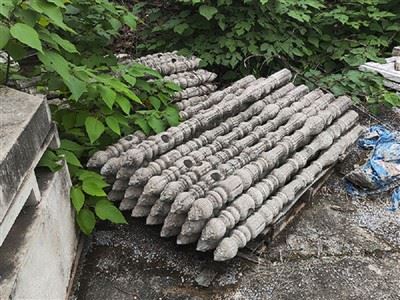
1. Steel
Steel is one of the most widely used materials for traffic barriers. It is known for its high strength, durability, and ability to withstand significant impacts.
Advantages
- High Strength: Steel barriers can effectively absorb and disperse the energy of a vehicle collision. This property makes them ideal for high – speed roads, highways, and areas where there is a high risk of heavy – impact accidents. For example, on a busy interstate highway, steel guardrails can prevent vehicles from leaving the roadway and crashing into obstacles or oncoming traffic.
- Longevity: With proper maintenance, steel barriers can last for decades. They are resistant to rust and corrosion to a certain extent, especially when they are coated with protective layers. Galvanized steel, which is coated with zinc, has enhanced corrosion resistance, making it suitable for use in harsh environmental conditions, such as coastal areas where the air is salty.
- Recyclability: Steel is a highly recyclable material. At the end of its service life, a steel traffic barrier can be recycled and reused, which is an environmentally friendly characteristic that is increasingly important in today’s construction and infrastructure projects.
Applications
- Highway Guardrails: Along highways, steel guardrails are the standard choice. They are installed on the sides of the road and in the median to protect motorists and prevent head – on collisions.
- Bridge Railings: Steel barriers are also commonly used as bridge railings. They need to be strong enough to withstand the force of a vehicle impact and protect the vehicles and pedestrians from falling into the water or onto the ground below.
2. Concrete
Concrete traffic barriers are another popular option, especially in areas where high – impact resistance and stability are required.
Advantages
- Mass and Stability: Concrete barriers are extremely heavy, which gives them excellent stability. They are difficult to move even when hit by a vehicle, making them suitable for separating opposing traffic flows on highways or for blocking access to restricted areas. For instance, in construction sites near busy roads, concrete barriers can be used to create a secure perimeter and protect workers and the public.
- Fire Resistance: Concrete is a non – combustible material, which provides an added layer of safety in case of vehicle fires. This property is particularly important in underground tunnels or areas where there is a high risk of fire hazards.
- Long – Term Cost – Effectiveness: Although the initial cost of concrete barriers may be higher than some other materials, their long service life and low maintenance requirements make them a cost – effective option in the long run.
Applications
- Toll Plazas: Concrete barriers are often used at toll plazas to separate lanes and guide vehicles safely through the payment process.
- Tunnels and Bridges: In tunnels, concrete barriers can prevent vehicles from colliding with the tunnel walls or other infrastructure. They are also used on bridges to provide a strong and stable barrier between lanes.
3. Plastic
Plastic traffic barriers have gained popularity in recent years due to their versatility, low cost, and ease of installation.
Advantages
- Lightweight: Plastic barriers are much lighter than steel or concrete barriers, which makes them easy to transport, install, and reposition. This is particularly useful for temporary traffic control applications, such as in construction zones or during special events.
- Visibility: Many plastic barriers are made in bright colors, such as orange or yellow, which makes them highly visible to motorists. They can also be equipped with reflective strips to enhance visibility at night.
- Low Cost: Plastic barriers are generally more affordable than steel or concrete barriers. This makes them a cost – effective option for short – term or low – budget projects.
Applications
- Construction Zones: In construction sites, plastic barriers are used to mark off work areas, guide traffic around the construction site, and protect workers from passing vehicles.
- Special Events: For events like concerts, festivals, or sports games, plastic barriers can be quickly installed to control the flow of traffic and pedestrians.
4. Wood
Although not as common as steel, concrete, or plastic, wood is still used in some traffic barrier applications.
Advantages
- Aesthetic Appeal: Wood barriers can provide a natural and aesthetically pleasing look, which may be desirable in some areas, such as in national parks or residential neighborhoods.
- Easy to Work With: Wood is relatively easy to cut, shape, and install. This makes it a flexible material for small – scale or custom – designed traffic barrier projects.
Applications
- Low – Speed Roads in Scenic Areas: In areas with low traffic volumes, such as in rural or scenic roads, wood barriers can be used to provide a basic level of protection while blending in with the natural surroundings.
Choosing the Right Material
When choosing the material for traffic barriers, several factors need to be considered:
- Traffic Volume and Speed: For high – volume, high – speed roads, steel or concrete barriers are usually the best choice due to their high strength and impact resistance. On the other hand, plastic barriers may be sufficient for low – speed, low – volume roads or temporary traffic control.
- Environmental Conditions: In areas with harsh weather, such as extreme heat, cold, or high humidity, materials with good corrosion resistance and durability, like galvanized steel or concrete, should be selected. In coastal areas, corrosion – resistant materials are particularly important.
- Budget: The cost of materials and installation is an important consideration. Plastic barriers are generally the most budget – friendly option, followed by wood, while steel and concrete can be more expensive, especially for large – scale projects.

As a professional traffic barrier supplier, I understand that each project has its unique requirements. Whether you need a high – strength steel barrier for a busy highway, a stable concrete barrier for a toll plaza, a lightweight plastic barrier for a construction site, or a wooden barrier with aesthetic appeal, we have a wide range of products to meet your needs. Our team of experts can also provide you with professional advice on selecting the right materials and barriers for your specific project.
Wrought Iron Railing If you are interested in our traffic barrier products and services, please feel free to reach out to us. We are more than happy to discuss your requirements and provide you with a customized solution. Let’s work together to ensure the safety and efficiency of your transportation infrastructure.
References
- "Transportation Infrastructure Handbook." McGraw – Hill Education.
- "Guide to Traffic Barrier Design and Installation," Federal Highway Administration.
- "Materials Science for Civil Engineers." Pearson Education.
Shanghai Dishan Xiumei Railing Manufacturing Co., Ltd.
With 20 years’ experience, we are one of the most professional traffic barrier manufacturers and suppliers in China. We warmly welcome you to wholesale customized traffic barrier made in China here from our factory. If you have any enquiry about quotation, please feel free to email us.
Address: No. 2568 Xiangyanghe Road, Qingpu District, Shanghai
E-mail: 13524911319@163.com
WebSite: https://www.dsxmoutdoorliving.com/
