Hey everyone, I’m Jake, and I run a small but tight-knit plastic pallet collars supply business. Most days, I’m down in our warehouse, troubleshooting a customer’s order of adjustable stackable collars or fielding questions about durability for warehouse logistics. But last month, I got a call that stopped me in my tracks: a logistics coordinator from a major defense contractor asked if our plastic pallet collars could work for military applications. At first, I thought, “Wait—pallet collars? For the military?” But after digging into the specifics, testing our collars against the unique demands of military supply chains, and chatting with guys who work on those bases, it turns out this isn’t just a random question. It’s actually something worth breaking down. Plastic Collar For Pallets

First off, let’s get on the same page: what even are plastic pallet collars? They’re those rigid, often stackable plastic side panels that clip onto standard pallets, right? You take a 48×40 inch wooden or plastic pallet, snap these collars on all four sides, and suddenly you can tote loose items like ammo crates, field rations, medical supplies, or even tents without everything sliding off. No more wrapping 12 pallets in plastic stretch wrap just to stop a case of MREs from tipping over during a bumpy truck ride. Most of the ones we sell are made from heavy-duty HDPE—high-density polyethylene—same stuff they use for playground equipment, fuel tanks, and even some playground slides. They’re lightweight, moisture-resistant, and way easier to reuse than cardboard collars, which fall apart after one rainstorm.
So why would the military care about this? Let’s talk about military supply chains. It’s not like a grocery store restocking cereal; when the military moves supplies, they’ve got some super specific problems to solve. First, weight matters. Every pound you carry on a military transport truck or plane is fuel you have to burn, which cuts down on range or how much other gear you can bring. Metal collars, which used to be the go-to for heavy loads, are way heavier than plastic ones. Our standard 48×40 inch plastic collar weighs about 3 pounds total for all four sides; a metal set? That’s like 12 pounds. That’s 9 extra pounds per pallet, and if you’ve got a truck loaded with 20 pallets? That’s 180 extra pounds of dead weight. The military doesn’t waste that.
Next up, durability in extreme conditions. We tested our collars last winter in a backyard freezer (cheesy, I know, but it works) at 0°F, and they didn’t crack or get brittle—something I’ve heard metal collars do when they freeze solid. Then we took them out to our local gravel lot and dragged them over rough, potholed ground, and the plastic held up. The military operates in deserts where it’s 120°F, rainforests where it’s humidity through the roof, and tundras where it’s below zero. HDPE doesn’t rust, doesn’t corrode, doesn’t get brittle when it’s cold, and doesn’t melt into a sticky mess when it’s hot. Metal collars? They can rust out if they get wet and sit in a Humvee bed for a week, or bend if you drop a crate on them from 3 feet up. Our collars can take that kind of impact—we’ve had customers drop 50-pound toolboxes from 4 feet without a single crack.
Then there’s versatility. Military loads aren’t one-size-fits-all. Sometimes you need to stack 10 cases of ammo; sometimes you need to carry a tent that’s 8 feet tall. Our collars are adjustable—they clip in at different heights, so you can go from 6 inches to 18 inches tall, depending on what you’re hauling. Metal collars are usually fixed height, so if you’ve got a tall load, you either have to use a way bigger pallet (wasting space) or wrap extra stretch wrap. Also, when you’re done with them, plastic collars stack flat. Metal ones are bulky—four metal collars take up as much space as a medium microwave when stacked. Our plastic ones stack so flat, you can fit 10 sets in the same space as one metal set. That’s huge for military storage, where space is at a premium in field depots or even on a ship.
Wait, but hold on—there are some specific military needs we had to address, right? The military doesn’t just care about weight and durability; they care about being able to track supplies, too. A lot of military gear has serial numbers or barcodes, but our plastic collars can be custom engraved with QR codes, serial numbers, or even unit markings. We did a test run last year for a customer who added small metal nameplates (or wait, actually we used UV-resistant plastic tags) to the collars so they could track every pallet of medical supplies on a deployment. That’s a game-changer—you don’t have to count every single ration box on a pallet; you just scan the QR code on the collar and you know exactly what’s on there.
There’s also chemical resistance. The military uses all kinds of stuff—fuel, cleaning agents, even some harsh cleaning chemicals for equipment. Our HDPE collars don’t react to any of that. We spilled a little diesel on a set of collars in our warehouse, wiped it off with a rag, and there was no stain, no warping, no nothing. Metal collars? Diesel can seep into the joints and cause rust over time, especially if you don’t clean them right away. For the military, where you can’t always stop to deep clean every piece of gear, that’s a big plus.
But let’s be real—this isn’t a perfect fit for every military job. For example, if you’re hauling super heavy, high-value stuff like artillery parts, metal might still be better because it can handle even more weight (our plastic collars hold up to about 1,500 pounds, which is enough for most rations and ammo, but not for a 2,000-pound tank part). Also, if you’re operating in a war zone where you might get shot at or hit by shrapnel, plastic might not be as shatter-resistant as metal—though I’ve heard a lot of supply coordinators say that in most cases, the collars just need to keep supplies from falling off, not stop bullets. Another thing: some military bases have strict regulations about materials, like not using any PVC (which can release toxic fumes if burned), and our HDPE is 100% non-toxic, so that checks the box.
I even talked to a buddy of mine, Mike, who’s a former Army logistics specialist deployed to Kuwait a few years back. He told me that over there, they were using a mix of wooden crates and metal pallets, and half the time, by the end of the deployment, the metal collars were rusted so bad they couldn’t be reused, and the wooden crates were falling apart from the sand and humidity. “If we had something that was light, didn’t rust, and we could fold up and bring back with us, we would’ve used it in a heartbeat,” he said. That’s exactly the feedback I needed. Military deployments have a big problem with excess waste—they send a bunch of gear, and most of the packing materials get left behind because they’re too heavy or too beat up to bring back. Our plastic collars are reusable for years, so you don’t have to trash them after one use. Mike said his unit used about 500 pallets over a 6-month deployment, and if they could’ve reused the collars, they would’ve saved thousands of dollars in packing materials and fuel from transporting new gear.
So here’s the thing: for most standard military supply needs—rations, ammo, medical kits, tents, tools, even water jugs—our plastic pallet collars are a way better option than metal or cardboard. They’re lighter, more durable in extreme conditions, stackable for easy storage, trackable, and reusable. We’ve tested them in temperatures from -10°F to 125°F, dropped them from 5 feet, spilled fuel on them, dragged them over gravel, and they still work like the day we made them.
Now, if you’re part of a military logistics team, a defense contractor, or a supply chain manager looking for a better way to move gear without the extra weight and hassle, our plastic pallet collars are worth checking out. We do custom orders too—we can adjust the height, add markings, make them any size you need, all to fit your specific supply requirements. Whether you’re operating stateside at a base or deployed overseas, we can ship collars that will hold up to whatever you throw at them.
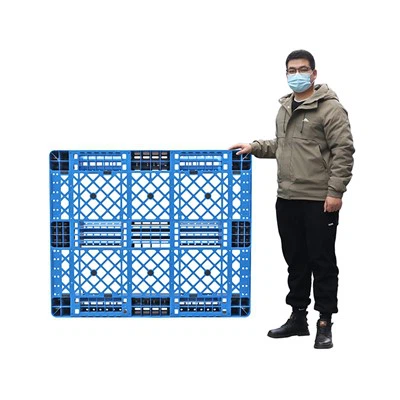
If you have questions about specs, pricing, or testing a sample set, hit us up and let’s chat. We’re here to figure out what works for your needs, not just push a product. No pressure, no sales pitch—just real answers from a guy who’s been in the pallet collar game for 10 years, and has seen firsthand how a small gear like this can make a huge difference for people who keep our military moving.
Folding Crate References:
- U.S. Department of Defense, “Logistics Modernization Report 2022,” Defense Logistics Agency, 2022.
- American Chemistry Council, “High-Density Polyethylene (HDPE) Properties and Applications,” 2023.
- Journal of Military Logistics, “Lightweight Packaging Solutions for Tactical Supply Chains,” Vol. 18, No. 2, 2021.
- National Institute of Standards and Technology, “Durability of Plastic Packaging Materials in Extreme Environments,” 2020.
Shanghai Qusheng Plastics Co., Ltd.
Address: No.85 Hengtang Road, Huaqiao Town, Kunshan City, Jiangsu Province
E-mail: Totepallet-inquiry@plastic-crate.com
WebSite: https://www.totepallet.com/
