Carbon fiber, a material renowned for its exceptional strength – to – weight ratio, stiffness, and corrosion resistance, has found its way into a wide range of industries, from aerospace to sports equipment. As a reliable carbon fiber products supplier, I have witnessed firsthand the diverse applications and requirements of different grades of carbon fiber. In this blog, I’ll delve into the various grades of carbon fiber products, their characteristics, and typical use – cases. Carbon Fiber Products
Standard – Modulus Carbon Fiber
Standard – modulus (SM) carbon fiber is the most commonly used grade in the carbon fiber market. It is produced through a well – established manufacturing process, which gives it a reasonable balance between performance and cost.
The tensile modulus of standard – modulus carbon fiber typically ranges from 200 to 250 GPa. This means that it has a relatively good ability to resist deformation under tension. Its tensile strength generally lies between 3,500 and 4,500 MPa, indicating that it can withstand a high amount of stress before breaking.
Automotive parts are one of the main application areas for standard – modulus carbon fiber. Many high – performance car manufacturers use SM carbon fiber for body panels, spoilers, and interior trim pieces. The carbon fiber’s light weight helps to reduce the overall weight of the vehicle, improving fuel efficiency and acceleration. In the sports equipment sector, standard – modulus carbon fiber is widely used in the production of bicycles, golf clubs, and fishing rods. For example, carbon fiber bicycle frames made from SM carbon fiber are both strong and lightweight, enabling cyclists to achieve better speed and agility.
From a cost perspective, standard – modulus carbon fiber is the most affordable option among different grades. This makes it an attractive choice for industries where mass production is required and cost – effectiveness is a key consideration.
Intermediate – Modulus Carbon Fiber
Intermediate – modulus (IM) carbon fiber offers a step – up in performance compared to standard – modulus carbon fiber. With a tensile modulus in the range of 250 to 350 GPa, it is stiffer and can withstand higher levels of stress without significant deformation.
The manufacturing process of intermediate – modulus carbon fiber is more refined, which results in better alignment of the carbon atoms within the fiber structure. This improved alignment contributes to its enhanced mechanical properties. The tensile strength of IM carbon fiber is often around 4,500 to 5,500 MPa, further increasing its load – bearing capacity.
In the aerospace industry, intermediate – modulus carbon fiber is extensively used. Aircraft components such as wings, fuselage sections, and interior structures benefit from its high stiffness and strength. The reduced weight of these components helps to lower fuel consumption and increase the aircraft’s overall performance. In the field of high – end sports equipment, IM carbon fiber is also popular. For instance, some professional – level tennis rackets and racing bicycles are made with this grade of carbon fiber to provide players and athletes with the best possible performance.
However, the production of intermediate – modulus carbon fiber is more complex and costly than standard – modulus carbon fiber. This higher cost is reflected in the final products, which are often targeted at high – end markets where performance is of utmost importance.
High – Modulus Carbon Fiber
High – modulus (HM) carbon fiber is characterized by an extremely high tensile modulus, typically above 350 GPa. This makes it one of the stiffest materials available, and it can resist large amounts of stress with minimal deformation.
The manufacturing of high – modulus carbon fiber involves advanced processing techniques to achieve a high degree of carbon atom alignment and a highly ordered structure within the fiber. This results in exceptional stiffness but often at the expense of some tensile strength. The tensile strength of high – modulus carbon fiber usually ranges from 2,500 to 4,000 MPa, which is lower than that of intermediate – modulus carbon fiber in some cases.
The aerospace and defense industries are the primary users of high – modulus carbon fiber. In aerospace applications, it is used in satellite structures, where its high stiffness is crucial to maintain the shape and stability of the satellite in the harsh environment of space. Defense applications include the production of military aircraft components, missile casings, and high – performance radar systems.
Due to the complex manufacturing process and the use of high – quality raw materials, high – modulus carbon fiber is the most expensive grade. It is typically used in applications where the need for extreme stiffness outweighs the cost considerations.
Ultra – High – Modulus Carbon Fiber
Ultra – high – modulus (UHM) carbon fiber is at the top of the performance pyramid for carbon fiber materials. It has a tensile modulus well above 600 GPa, offering an unprecedented level of stiffness.
The production of ultra – high – modulus carbon fiber requires highly specialized and precise manufacturing processes. These processes ensure an almost perfect alignment of the carbon atoms, creating a fiber with outstanding mechanical properties. However, similar to high – modulus carbon fiber, the tensile strength of UHM carbon fiber is relatively lower compared to some other grades due to the trade – off between stiffness and strength.
Ultra – high – modulus carbon fiber is used in only the most demanding and high – end applications. In the aerospace field, it is used in advanced space telescopes and other precision instruments where maintaining extremely precise shapes and dimensions is critical. In the scientific research area, UHM carbon fiber can be found in some high – performance experimental equipment.
The cost of ultra – high – modulus carbon fiber is extremely high, and its production volume is relatively low. This limits its use to only a few applications where no other material can meet the required performance criteria.
Tailoring Carbon Fiber Grades to Customer Needs
As a carbon fiber products supplier, I understand that different customers have different requirements. For customers in the consumer goods industry, such as those producing bicycles or laptop cases, standard – modulus carbon fiber is often the best choice. It provides a good balance of performance and cost, ensuring that the end – products are both affordable and of decent quality.
For customers in the high – performance sports and aerospace industries, intermediate – modulus, high – modulus, or even ultra – high – modulus carbon fiber may be more suitable. These industries require materials with exceptional mechanical properties to meet the strict performance standards.
We also offer custom – tailored solutions for our customers. Our team of experts can work closely with customers to understand their specific needs, such as the required strength, stiffness, weight, and cost – effectiveness. Based on these requirements, we can select the most appropriate grade of carbon fiber and develop customized manufacturing processes to produce the ideal products.
Conclusion
The world of carbon fiber products is rich and diverse, with different grades offering a wide range of mechanical properties. From the cost – effective standard – modulus carbon fiber to the ultra – high – performance ultra – high – modulus carbon fiber, each grade has its own unique characteristics and applications.
As a supplier, our goal is to provide the best possible carbon fiber products to meet the varying needs of our customers. Whether you are in the automotive, aerospace, sports equipment, or other industries, we have the expertise and resources to offer you the right grade of carbon fiber products.
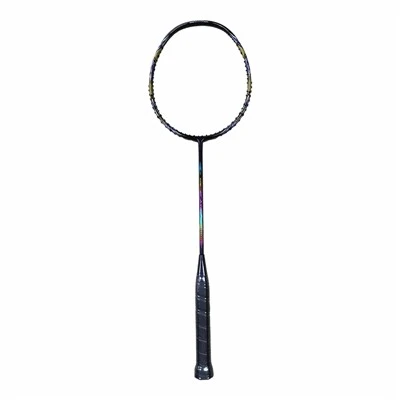
Badminton Racket If you are interested in purchasing carbon fiber products or would like to discuss your specific requirements, please do not hesitate to contact us. We are eager to work with you and find the perfect carbon fiber solutions for your projects.
References
- Chawla, K. K. (2019). Composite Materials: Science and Engineering. Springer.
- Fiber Glass and Carbon Fiber Reinforced Composites Manual. (n.d.). McGraw – Hill Professional.
- Schulte, K., & Czabaj, I. (Eds.). (2018). Carbon Fibers and Their Composites. Wiley.
Ji’an Zhongda Composite Materials Co., Ltd.
As one of the most experienced carbon fiber products manufacturers and suppliers in China, we also support customized service. We warmly welcome you to wholesale premium carbon fiber products for sale here from our factory. If you have any enquiry about quotation, please feel free to email us.
Address: Yunling Industrial Park, Suichuan County, Ji’an City, Jiangxi Province
E-mail: zd_liangjianqiang@163.com
WebSite: https://www.zdracket.com/
