In the vast landscape of electrical infrastructure, tension towers stand as silent sentinels, playing a crucial role in the transmission of high – voltage electricity. As a supplier of tension towers, I have witnessed firsthand the intricate mechanisms and engineering marvels that enable these structures to handle high – voltage electricity safely and efficiently. Tension Towers

Understanding High – Voltage Electricity
Before delving into how tension towers handle high – voltage electricity, it’s essential to understand what high – voltage electricity is. High – voltage electricity typically refers to electrical power with a voltage level above 1000 volts. In power transmission systems, voltages can range from 69,000 volts to over 765,000 volts. The use of high – voltage electricity in power transmission is primarily to reduce power losses over long distances. According to the laws of physics, power loss in a transmission line is proportional to the square of the current. By increasing the voltage and reducing the current, the power loss can be significantly minimized.
The Role of Tension Towers in High – Voltage Transmission
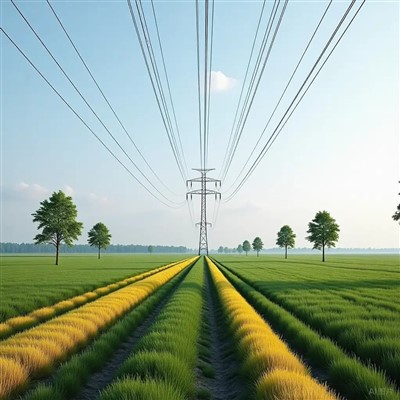
Tension towers are designed to support the high – voltage transmission lines. These lines carry electricity from power generation plants to substations and then to end – users. The primary function of tension towers is to keep the transmission lines at a safe height above the ground and other objects, preventing contact that could lead to short – circuits or other electrical hazards.
One of the key features of tension towers is their ability to withstand the mechanical stress caused by the weight of the transmission lines, wind, ice, and other environmental factors. Tension towers are typically made of steel or concrete, which provides the necessary strength and durability. The design of the tower takes into account factors such as the span length between towers, the type of conductor used, and the local environmental conditions.
Insulation and Safety
Insulation is a critical aspect of handling high – voltage electricity. Tension towers are equipped with insulators that prevent the flow of electricity from the conductors to the tower structure. These insulators are usually made of materials such as porcelain, glass, or composite polymers. Porcelain insulators have been used for many years due to their high mechanical strength and excellent electrical insulation properties. Glass insulators are also popular because they are transparent, which allows for easy visual inspection of the insulator’s condition. Composite insulators, on the other hand, are lightweight and have good resistance to pollution and vandalism.
In addition to insulators, tension towers also have safety features such as lightning protection systems. Lightning strikes can cause significant damage to high – voltage transmission lines and equipment. To protect against lightning, tension towers are equipped with lightning rods or overhead ground wires. These devices intercept lightning strikes and safely conduct the electrical current to the ground, preventing damage to the transmission lines and other components.
Conductors and Their Connection
The conductors used in high – voltage transmission lines are typically made of aluminum or copper. Aluminum is the most commonly used material due to its low cost, light weight, and good electrical conductivity. The conductors are connected to the tension towers using various methods, such as clamps or connectors. These connections must be strong and reliable to ensure the continuous flow of electricity.
The design of the conductor connection also takes into account factors such as thermal expansion and contraction. As the temperature changes, the conductors expand and contract, which can put stress on the connections. To accommodate these changes, flexible connectors or expansion joints are often used.
Monitoring and Maintenance
To ensure the safe and efficient operation of tension towers in handling high – voltage electricity, regular monitoring and maintenance are essential. Monitoring systems are used to detect any signs of damage or malfunction in the transmission lines and tower components. These systems can include sensors that measure parameters such as temperature, vibration, and electrical current.
Maintenance activities include visual inspections, cleaning of insulators, and tightening of connections. Inspections are typically carried out at regular intervals to check for any signs of wear, corrosion, or damage. Cleaning of insulators is important to remove any dirt, dust, or pollution that could reduce their insulation properties. Tightening of connections ensures that the electrical contact is good and reduces the risk of overheating.
The Importance of Quality Tension Towers
As a tension tower supplier, I understand the importance of providing high – quality products. High – quality tension towers are essential for the reliable and safe transmission of high – voltage electricity. A well – designed and constructed tension tower can withstand the harsh environmental conditions and mechanical stresses, ensuring the long – term performance of the transmission system.
When choosing a tension tower supplier, it’s important to consider factors such as the supplier’s experience, reputation, and the quality of their products. A reliable supplier will have a team of experienced engineers and technicians who can design and manufacture tension towers that meet the specific requirements of the project. They will also have a quality control system in place to ensure that the towers are built to the highest standards.
Conclusion
Tension Towers Tension towers play a vital role in the transmission of high – voltage electricity. Through their design, insulation, and safety features, they are able to handle high – voltage electricity safely and efficiently. As a tension tower supplier, I am committed to providing high – quality products that meet the needs of our customers. If you are in the market for tension towers for your high – voltage transmission project, I encourage you to contact us for a detailed discussion. We have the expertise and experience to provide you with the best solutions for your specific requirements.
References
- "Power System Analysis and Design" by J. Duncan Glover, M. Stanley Sarma, and Thomas J. Overbye.
- "Electrical Transmission and Distribution Reference Book" by Westinghouse Electric Corporation.
Hebei Yifeng Steel Structure Co., Ltd.
As one of the most professional tension towers manufacturers and suppliers in China, we offer a wide range of products with superior quality. Please feel free to buy cost-efficient tension towers for sale here from our factory. Contact us for more details.
Address: Guangchuan Town Industrial Zone, Jing County, Hengshui City, Hebei Province
E-mail: hbyfgjg@163.com
WebSite: https://www.yf-powertowers.com/
