In the highly competitive landscape of precision CNC machining, one aspect that often goes underappreciated but is of paramount importance is chip removal. As a seasoned supplier in the world of precision CNC machining, I’ve witnessed firsthand how proper chip removal can make or break a project. Precision CNC Machining
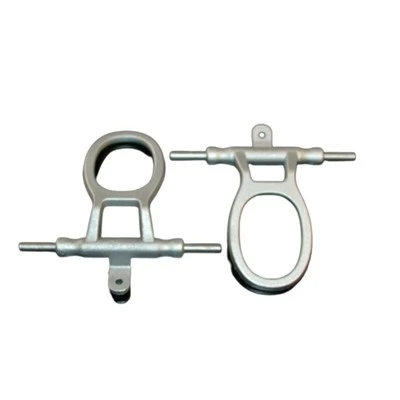
Precision CNC machining is all about achieving the highest level of accuracy and quality in the manufacturing process. It involves the use of computer – numerical controlled (CNC) machines to cut, shape, and form various materials with extreme precision. Whether it’s creating complex aerospace components, medical devices, or high – end automotive parts, the quality of the final product depends on numerous factors, and chip removal is a critical one among them.
The Basics of Chip Formation and Its Challenges
Before delving into the importance of chip removal, it’s essential to understand how chips are formed during CNC machining. When a cutting tool engages with the workpiece material, it shears off a small piece of the material, creating a chip. The shape, size, and type of chips generated depend on several factors, including the material being machined, the cutting tool geometry, and the cutting parameters such as cutting speed, feed rate, and depth of cut.
For instance, in machining soft materials like aluminum, long and continuous chips are often produced. These chips can easily get tangled around the cutting tool, workpiece, or machine components. On the other hand, when machining hard materials such as titanium or hardened steel, short and discontinuous chips are more common, but they can still pose problems like clogging the flutes of the cutting tool or causing excessive wear.
Poor chip formation and management can lead to a host of issues. One of the most immediate problems is increased cutting forces. When chips are not removed efficiently, they can build up in the cutting zone, acting as a barrier between the cutting tool and the workpiece. This results in higher cutting forces, which can cause the cutting tool to deflect, leading to dimensional inaccuracies in the machined part.
Another significant challenge is heat generation. The friction between the cutting tool, the workpiece, and the chips generates a substantial amount of heat. If the chips are not removed promptly, they can act as insulators, trapping the heat in the cutting zone. Elevated temperatures can cause thermal expansion of the workpiece and the cutting tool, leading to more dimensional errors. Moreover, high temperatures can also reduce the hardness and wear – resistance of the cutting tool, shortening its lifespan and increasing the cost of tool replacement.
The Role of Chip Removal in Ensuring Precision
Precision is the cornerstone of CNC machining. Even the slightest deviation from the specified dimensions can render a part useless, especially in industries where tight tolerances are required. Effective chip removal plays a crucial role in maintaining this precision.
By removing chips from the cutting zone in a timely manner, we can minimize the interference between the cutting tool and the chips. This allows the cutting tool to engage with the workpiece more consistently and accurately, resulting in better surface finish and dimensional accuracy. For example, in the machining of optical components, where surface roughness and form accuracy are of utmost importance, proper chip removal can prevent the formation of surface defects such as burrs and scallops.
In addition, efficient chip removal can also help in maintaining the stability of the machining process. When chips accumulate around the cutting tool, they can cause vibrations in the machine. These vibrations can transfer to the workpiece, leading to waviness on the machined surface and further dimensional inaccuracies. By keeping the cutting zone clear of chips, we can reduce the likelihood of such vibrations and ensure a smooth and stable machining process.
Impact on Tool Life
The cost of cutting tools can be a significant portion of the overall machining cost. Therefore, maximizing tool life is a key concern for any precision CNC machining operation. Chip removal has a direct impact on tool life.
As mentioned earlier, chips can cause excessive wear on the cutting tool. When chips are not removed properly, they can rub against the cutting edge of the tool, causing abrasion. This abrasion can lead to premature dulling of the cutting tool, reducing its cutting performance and increasing the frequency of tool changes.
Proper chip removal can also prevent the occurrence of built – up edge (BUE). A BUE is a mass of workpiece material that adheres to the cutting edge of the tool during the machining process. It can change the geometry of the cutting edge, leading to poor surface finish and reduced dimensional accuracy. By removing chips quickly, we can reduce the chances of BUE formation and keep the cutting tool in optimal condition for a longer time.
Productivity and Efficiency
In the world of manufacturing, productivity and efficiency are crucial for staying competitive. Chip removal has a profound impact on both these aspects.
When chips are not removed efficiently, the machining process often has to be interrupted to clear the chips manually. This not only wastes time but also disrupts the flow of the production line. In contrast, with an effective chip removal system in place, the machining process can run continuously, reducing downtime and increasing the overall productivity.
Moreover, efficient chip removal can also allow for higher cutting parameters. When the cutting zone is kept clear of chips, the cutting tool can operate more efficiently, and we can increase the cutting speed and feed rate without sacrificing the quality of the machined part. This can significantly reduce the machining time per part and improve the overall efficiency of the production process.
Different Chip Removal Techniques
There are several techniques available for chip removal in precision CNC machining. One of the most common methods is the use of coolant. Coolants serve multiple purposes in the machining process. They not only help in removing chips but also lubricate the cutting tool and workpiece, reducing friction and heat generation.
There are different types of coolants, including water – based emulsions, synthetic coolants, and oil – based coolants. The choice of coolant depends on the material being machined, the cutting operation, and the specific requirements of the project. For example, water – based emulsions are widely used for general machining applications as they offer good cooling and chip – flushing properties.
Another technique is the use of chipbreakers. Chipbreakers are features built into the cutting tool that are designed to break the chips into small, manageable pieces. By controlling the chip shape, chipbreakers make it easier for the chips to be removed from the cutting zone. They are particularly useful when machining materials that produce long, continuous chips.
In addition, some CNC machines are equipped with built – in chip evacuation systems. These systems use air or fluid jets to blow or flush the chips away from the cutting zone. They can be highly effective in keeping the cutting area clean, especially in high – volume production environments.
Our Approach as a Precision CNC Machining Supplier
As a leading supplier in precision CNC machining, we recognize the critical role of chip removal in delivering high – quality products. We have invested in state – of – the – art machining equipment that is equipped with advanced chip removal systems. Our coolant delivery systems are designed to provide optimal cooling and chip – flushing performance, ensuring that the cutting zone is kept clean at all times.
We also pay close attention to the selection of cutting tools. We work with top – tier tool manufacturers to source cutting tools with effective chipbreakers. Our team of experienced engineers carefully selects the appropriate cutting tools for each project based on the material being machined and the specific requirements of the part.
In addition, we continuously monitor and optimize our machining processes. We use advanced sensor technology to detect any issues related to chip removal, such as chip clogging or excessive heat generation. Based on the data collected, we make adjustments to the cutting parameters, coolant flow rate, or tool geometry to ensure the most efficient chip removal.
Conclusion and Call to Action

In conclusion, chip removal is an indispensable aspect of precision CNC machining. It has a far – reaching impact on the quality of the machined parts, tool life, productivity, and efficiency of the manufacturing process. As a precision CNC machining supplier, we are committed to providing the highest level of quality and service to our customers. We believe that by focusing on proper chip removal, we can deliver products that meet or exceed our customers’ expectations.
Zinc Die Casting If you are in need of precision CNC machining services, we invite you to reach out to us. Our team of experts is ready to discuss your project requirements and provide you with a customized solution. Whether you are a small – scale manufacturer or a large – scale enterprise, we have the capabilities and expertise to handle your machining needs. Contact us today to start a conversation about how we can work together to achieve your manufacturing goals.
References
- Boothroyd, G., & Knight, W. A. (2006). Fundamentals of Machining and Machine Tools. CRC Press.
- Kalpakjian, S., & Schmid, S. R. (2013). Manufacturing Engineering and Technology. Pearson.
- Trent, E. M., & Wright, P. K. (2000). Metal Cutting. Butterworth – Heinemann.
Shenzhen Shunhaoda Technology Co., Ltd.
With abundant experience, we are one of the most professional precision CNC machining manufacturers and suppliers in China. If you’re going to buy bulk high quality precision CNC machining made in China, welcome to get free sample from our factory. Also, custom service is available.
Address: 902, Building A3, Tianrui Industrial Park, No. 35 Fuyuan 1st Road, Zhancheng Community, Fuhai Street, Bao’an District, Shenzhen
E-mail: sales@shdindustry.com
WebSite: https://www.shd-industry.com/
