Hey there! I’m a supplier in the turning business, and I often get asked about the differences between cam – controlled and NC turning. So, I thought I’d write this blog to break it all down for you in a simple way. Turning
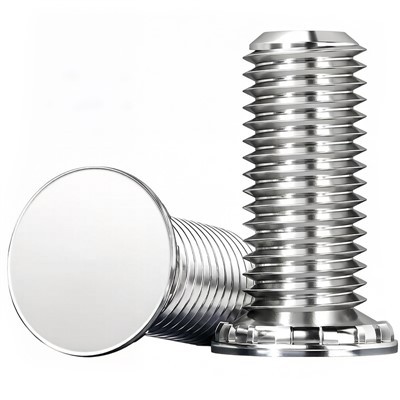
Let’s start with the basics. Turning is a machining process where we use a cutting tool to remove material from a rotating workpiece. It’s super important in manufacturing all sorts of parts, from small screws to big engine components. Now, cam – controlled and NC turning are two different ways to carry out this turning process, and each has its own unique features.
Cam – Controlled Turning
Cam – controlled turning has been around for a long time. It’s a pretty mechanical way of doing things. In a cam – controlled lathe, there are a bunch of cams that are shaped in a specific way. These cams are connected to different parts of the machine, like the tool slides. As the main spindle of the lathe rotates, the cams also turn. And because of their shape, they move the tool slides in a pre – determined pattern.
One of the big advantages of cam – controlled turning is its simplicity. It’s a straightforward system. Once you’ve set up the cams correctly, the machine can keep producing parts with the same shape and dimensions over and over again. It’s great for high – volume production of simple parts. For example, if you’re making a lot of small bolts with a standard shape, a cam – controlled lathe can churn them out quickly.
Another plus is the cost. Cam – controlled lathes are generally cheaper to buy and maintain compared to NC lathes. They have fewer electronic components, so there’s less that can go wrong. And if something does break, the parts are usually easier and cheaper to replace.
But, cam – controlled turning also has its limitations. Changing the design of the part you’re making can be a real pain. You have to physically change the cams, which can take a lot of time and effort. It’s not very flexible. Also, the precision of cam – controlled turning is limited. The cams can wear out over time, which can lead to variations in the parts being produced. And for really complex shapes, it’s almost impossible to make the right cams to achieve the desired result.
NC Turning
Now, let’s talk about NC turning, which stands for Numerical Control turning. In an NC lathe, everything is controlled by a computer program. You write a code that tells the machine exactly how to move the cutting tool, how fast to rotate the workpiece, and when to turn on and off different functions.
The biggest advantage of NC turning is its flexibility. You can easily change the design of the part you’re making just by modifying the computer program. There’s no need to change any physical parts of the machine. This makes it perfect for producing small batches of different parts or for making parts with complex shapes. For instance, if you need to make a custom – designed gear with intricate teeth, an NC lathe can handle it with ease.
NC turning also offers much higher precision. The computer controls the movement of the cutting tool with very high accuracy, and it can repeat the same operation over and over again without any variation. This is crucial for industries like aerospace and medical, where precision is of utmost importance.
However, NC turning has its drawbacks too. The initial cost of an NC lathe is much higher than a cam – controlled lathe. You also need to have trained operators who can write and edit the computer programs. And if there’s a problem with the software or the electronics, it can be more difficult and expensive to fix compared to a mechanical issue in a cam – controlled lathe.
Comparison in Different Aspects
Production Volume
As I mentioned earlier, cam – controlled turning is ideal for high – volume production of simple parts. The setup time is relatively long, but once it’s done, the machine can keep running smoothly without much intervention. On the other hand, NC turning is more suitable for low – to medium – volume production, especially when you need to produce different parts in the same batch. It’s quick to change the program for each new part, so you don’t waste a lot of time on setup.
Precision
When it comes to precision, NC turning wins hands down. The computer – controlled system can achieve very tight tolerances, often in the range of a few thousandths of an inch. Cam – controlled turning, while it can be accurate for simple parts, is more likely to have variations due to cam wear and mechanical limitations.
Cost
If you’re on a tight budget and you’re making a lot of the same simple part, a cam – controlled lathe is the way to go. It’s cheaper to buy, operate, and maintain. But if you need high precision and flexibility, and you can afford the initial investment, an NC lathe is a better choice in the long run, especially if you’re in a business where you need to adapt to changing customer demands.
Complexity of Parts
For simple, standard – shaped parts, cam – controlled turning is sufficient. But if you’re dealing with parts that have complex geometries, such as parts with irregular curves or multiple features at different angles, NC turning is the only practical option.
Which One Should You Choose?
The choice between cam – controlled and NC turning depends on your specific needs. If you’re a small shop that makes a few custom parts at a time, an NC lathe will give you the flexibility you need. But if you’re a large – scale manufacturer that produces millions of the same simple part every year, a cam – controlled lathe might be more cost – effective.
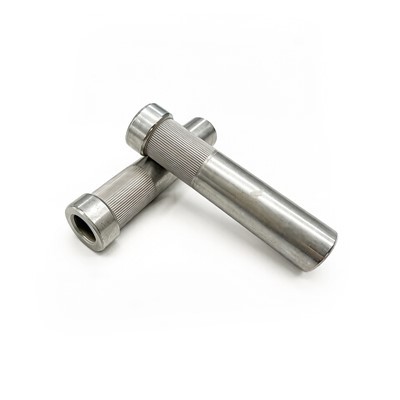
As a turning supplier, I’ve seen all kinds of customers with different requirements. I can help you figure out which type of turning process is best for your business. Whether you need high – volume production of simple parts or low – volume production of complex parts, I’ve got the expertise and the equipment to meet your needs.
Riveting If you’re in the market for turning services, or if you’re just curious and want to learn more, don’t hesitate to reach out. We can have a chat about your project, and I’ll give you an honest opinion on whether cam – controlled or NC turning is the right choice for you.
References
- "Machining Processes and Machine Tools" by Amitabha Ghosh and Akhilesh Kumar Mallik
- "Manufacturing Engineering & Technology" by Serope Kalpakjian and Steven Schmid
- Various industry reports on turning technologies published by leading manufacturing research firms.
Shanghai Megood Metal Products Co., Ltd.
As one of the most experienced turning manufacturers and suppliers in China, we have world-leading production equipment and strong manufacturing capabilities. Please rest assured to wholesale bulk turning made in China here and get quotation from our factory. Customized orders are welcome.
Address: Building 8, No. 1500 Huiren Road, Waigang Town, Jiading District, Shanghai
E-mail: liujingshco@163.com
WebSite: https://www.mgx-hardware.com/
