When I first started in the grapple supply business 12 years ago, I thought my biggest challenge would be getting people to understand what a grapple actually does. I’ve spent the last decade on job sites, talking to excavator operators, yard managers, and construction foremen, and I’ve learned that most folks know how to hook one up—but they make avoidable mistakes that cost time, money, and even create safety risks. I see these mistakes show up over and over again, and today I want to break down the most common ones I see, from an actual grapple supplier who’s seen these mistakes sink more than a few project timelines. Grapple
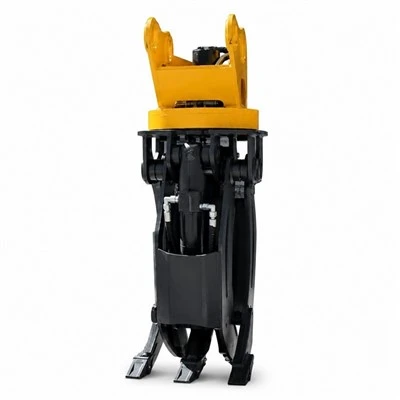
First, let’s get one thing straight: a grapple isn’t just a “big claw” you can swap on an excavator and forget about. It’s a specialized tool, and how you use it determines how long it lasts, how much work it gets done, and whether anyone goes home safe at the end of the day. I’ve had a foreman call me in a panic at 2 a.m. once because his brand-new grapple’s tines snapped after he tried to lift a half-ton pile of broken concrete like it was a bale of hay. That’s the kind of mistake I want to help people avoid, because it’s not just about broken parts—it’s about downtime that pushes a whole project back by days.
The biggest mistake I see across every job site is mismatching the grapple size and type to the material and equipment. Let’s break that down. I had a customer last spring who bought a 36-inch general-purpose grapple for his 20-ton excavator, thinking bigger was better for moving landscaping debris. The problem? That general-purpose grapple was built for light, bulky material—brush, small logs, loose yard waste. When he tried to load stacked rocks that were 18 inches in diameter, the tines were too thin and spread too far apart. He ended up bending three tines in a single afternoon because he was trying to force the grapple to do a job it wasn’t designed for. On the flip side, I’ve seen guys use a heavy-duty demolition grapple for picking up scrap metal in a scrap yard. That grapple is built for tearing apart reinforced concrete and steel beams, so its weight is twice what a standard scrap grapple is. When you put that on a smaller excavator, it throws off the machine’s balance, strains the hydraulic system, and wears out the boom pins way faster than it should.
How do you fix that? It’s simple: match the grapple’s rated capacity to your excavator’s lift chart, and match the grapple type to your primary material. If you’re working with light, bulky material like mulch or yard waste, get a lighter general-purpose or brush grapple. If you’re moving rocks, concrete, or debris with sharp edges, a heavy-duty demolition grapple with thicker tines is the right call. For scrap metal, a scrap grapple with closed tines to keep small pieces from falling out is better than a model with wide gaps. I keep a cheat sheet on my supplier’s website (no need for links here) that lets you cross-reference excavator models with the right grapple, and I always tell customers to call me before they buy if they’re not sure. I’d rather help someone pick the right tool than have them call me a week later with a broken one.
The second most common mistake is incorrect maintenance, especially with hydraulic and pivot components. Grapples take a beating—they’re exposed to dirt, mud, water, and abrasive material every single day. I see guys leave their grapples out in the rain for weeks on end, never greasing the pivot points or checking the hydraulic hoses. Last year, a customer brought in a grapple that had seized up entirely because he never greased the toggle pins. The pins rusted solid, so the grapple couldn’t open or close at all, and he had to replace the whole assembly, which cost him $1,200 and a day of work. That’s a mistake that takes 10 minutes a week to avoid.
Hydraulic hoses are another big one. I’ve seen hoses get crushed between the grapple’s body and the excavator’s arm because they’re not routed correctly. When a hose crushes, it leaks hydraulic fluid, which not only slows down work but creates a slip hazard on job sites. I also see guys run over hoses with the excavator or catch them on sharp debris, because they don’t tuck them in properly. Good maintenance habits here aren’t complicated: every morning before you start, check the hoses for cracks, leaks, or cuts. Grease all pivot points weekly, especially after working in mud or wet conditions, because water speeds up rust. If you’re working in abrasive material like concrete or brick, use protective hose guards to keep debris from cutting through the outer layer. I always include a maintenance guide with every grapple I sell, and I go over it with customers when they pick up their order—because I’ve seen what happens when that guide gets thrown in a toolbox and forgotten.
Third, improper lifting and load control is a mistake that’s not just costly—it’s dangerous. I’ve witnessed a load fall off a grapple twice in my career, and both times it was because the operator didn’t center the load correctly or didn’t close the grapple tight enough. Once, a load of loose tree branches fell onto a parking lot at a residential site, missing a group of workers by a foot. That’s the kind of incident that could have been a serious injury, and it all comes down to how the grapple is used. A lot of operators think “if a little grip is good, a lot is better” when they close the grapple, but that’s not true. Over-closing can bend tines or put unnecessary stress on the hydraulic system, especially when lifting heavy loads. The right way is to wrap the grapple tines tightly around the load, centering the weight so it’s evenly distributed across all the tines, before lifting. If you’re lifting irregularly shaped material, adjust the grapple’s position to make sure the load isn’t tilting—tilting puts uneven stress on the grapple’s arms and can cause it to slip mid-lift.
Another lifting mistake I see is using the grapple to drag heavy loads. I know it’s tempting—when you have a pile of material 10 feet away, why not just drag it with the grapple instead of repositioning the excavator? But dragging puts massive sideways stress on the grapple’s tines and pivot points. I’ve had guys come to me with tines that bent 90 degrees because they dragged a 2,000-pound pile of concrete across a gravel lot. That kind of damage isn’t covered under warranty, by the way—most grapple manufacturers void warranties for misuse like dragging. Instead of cutting corners and dragging loads, take the extra 30 seconds to reposition the excavator so you can lift the load directly. It saves you money on repairs and keeps the grapple working correctly.
Fourth, ignoring material-specific limitations is a mistake that a lot of new operators make, especially when they’re working with heavy or abrasive material. For example, a lot of general-purpose grapples aren’t built to lift rebar or sharp metal pieces. I’ve had a customer last year try to lift a bundle of 10-foot rebar with a standard grapple, and the sharp ends of the rebar cut through the grapple’s thin side plates in less than an hour. When he brought it to me, he said he didn’t realize that general-purpose grapples aren’t designed for sharp, piercing material. If you’re working with rebar, steel beams, or other sharp metal, you need a grapple with thicker side plates and tines that are reinforced to resist cutting. For demolition work, make sure your grapple is rated for the specific material you’re tearing down—some grapples are built for concrete, others for wood or steel, and mixing those up leads to broken parts.
A related mistake is lifting loads that exceed the grapple’s rated capacity. Every grapple has a clearly marked weight rating, and a lot of operators ignore that number because they’ve “lifted heavier before.” I had a customer who tried to lift a 5,000-pound concrete slab with a grapple rated for 3,500 pounds. The tines snapped right at the base, sending the slab crashing down and damaging an excavator’s bucket. That’s the kind of mistake that leads to expensive equipment repairs, project delays, and even workers’ compensation claims. The rated capacity is there for a reason—it’s calculated based on the grapple’s material strength, pivot points, and hydraulic system. Don’t take shortcuts here. If you need to lift a load heavier than your grapple’s rating, use a different tool, or split the load into smaller pieces.
I also want to talk about installation mistakes, because I’ve seen a lot of people install their grapples wrong and cause damage before they even use the tool. The most common installation error is not securing the mounting pins properly. When you connect the grapple to the excavator’s quick coupler, you have to make sure the locking pins are fully engaged and the safety clips are in place. I’ve had a grapple fall off a quick coupler because the safety clip wasn’t put on, and the operator didn’t check. That could have fallen onto a truck below or a group of workers, and the only reason it didn’t was luck. Another installation mistake is not greasing the mounting pins before use. Even if you grease the grapple’s pivot points, if you don’t grease the pins that connect it to the excavator, they’ll wear out quickly and cause the grapple to wobble, which puts extra stress on the whole tool.
Now, I know a lot of these mistakes sound like common sense, but when you’re on a tight job site, working 12-hour days, it’s easy to cut corners and skip a step. I’ve been there—when you’re behind schedule, you don’t want to stop and check the load before lifting, or you forget to grease the pins because you’re rushing to get the next load moved. But over the years, I’ve seen that the operators who take those extra 5 minutes to do things right are the ones who stay on schedule, have fewer breakdowns, and end up saving money in the long run.
As someone who supplies grapples, my job isn’t just to sell a tool and walk away. It’s to make sure that the people who use my products know how to use them correctly, so they get the most out of their investment. If you’re in the market for a grapple, whether it’s for a small landscaping business or a large construction company, take the time to figure out exactly what you’ll be using it for. Don’t just buy the biggest grapple you can find—buy the right one. Ask questions about maintenance, load capacities, and material ratings. If you’re already using a grapple and running into issues, don’t wait until it’s broken to call. Reach out, and we can walk through what might be going wrong and how to fix it.

If you’re looking for a reliable grapple that’s built to handle your specific work, and you want to avoid these common mistakes, I’m here to help. We work with operators, contractors, and small business owners to match them with the right grapple for their needs, and we provide the support and guidance to make sure it lasts for years. Whether you’re new to using grapples or you’ve been in the game for decades, if you have questions about matching, maintenance, or safe operation, don’t hesitate to reach out to discuss your requirements.
Excavator Attachment References:
- Construction Equipment Association. (2021). Hydraulic Attachment Safety and Maintenance Guidelines.
- American Society of Agricultural and Biological Engineers. (2019). Specification for Grapple Attachments for Agricultural and Forestry Equipment.
- Occupational Safety and Health Administration. (2022). Crane and Lifting Equipment Safety Standards for Construction.
Hope Precision Machinery Co., Ltd.
As one of the most professional grapple manufacturers and suppliers in China, we also support customized service. Please feel free to buy high quality grapple for sale here from our factory. For more information, contact us now.
Address: No.8 Shenzhen Street, Development Zone, Yantai,Shandong ,China
E-mail: lulu@hope-breaker.com
WebSite: https://www.hopeequip.com/
