Hey there, if you’re anyone running a livestock operation—whether you’re a small family farm with 20 head of cattle or a medium-scale poultry setup cranking out consistent egg supplies—you’ve definitely stared at a stack of feed bags and thought, “These things seem sturdy enough… but what if they aren’t?” I get that question all the time, actually, because I’ve been on the ground supplying livestock feed bags for years, not just behind a desk. And let me cut to the chase right off the bat: No, not all livestock feed bags come with a warranty. But that’s not the same as saying “we don’t stand behind our product” either. A lot of folks get that wrong, so let’s break this down like we’d chat over a coffee break at the farm supply store, no jargon included. Livestock Feed Bags
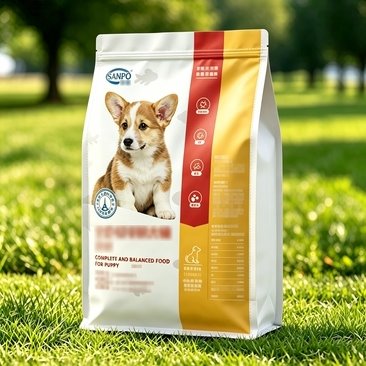
First, let’s set the scene for why this even matters. If you’re hauling 50-pound bags of swine feed across uneven ranch gravel, stacking them in a damp outdoor bin that’s got morning dew seeping in, or loading them onto a pickup that bounces down a rutted back road, the bag’s got to hold up. If it splits open mid-transport, you’ve got feed scattered in the dirt, lost inventory, maybe even a mess that attracts rodents. That’s a real headache, not a tiny issue. So when a farmer asks about a warranty, they’re not just being picky—they’re trying to mitigate that headache.
Now, let’s talk about the two main types of feed bags you’ll find out there, because their warranty terms (if any) hinge on what they’re made for and who’s making them. The first is the woven polypropylene (PP) bag—this is the workhorse, the one most bulk feed suppliers grab because it’s cheap, durable for heavy loads, and moisture-resistant enough for most indoor storage. The second is a laminated bag, usually with an extra plastic liner inside, for super high-moisture feed (like fermented silage mixes) or bags that sit outside year-round.
For my part, I sell both, and here’s how our warranty plays out: The woven PP bags come with what’s called a “limited functional warranty” for 30 days from delivery. That covers defects in manufacturing, right? So if you get a pallet of bags and half of them have broken seams straight out of the wrap, or a hole that wasn’t there when we loaded them, we replace those no questions asked. But here’s the catch—the warranty doesn’t cover user error. If you stored your feed bags in a flood-prone area, or dragged them across sharp metal fencing that tore the sides, that’s on you. We make the bags to handle normal farm use, not abuse. The laminated bags have a 60-day warranty, mostly because their liner is more delicate if you mishandle it with sharp tools, but again, manufacturing defects only.
Wait, let’s clear up a common myth: Some people think a warranty means the bag will never split. That’s not how any packaging works, period. Even the best Amazon boxes have a breakage rate if you drop them from a roof. Our testing shows that under normal conditions, our woven bags have a 99.2% success rate of holding up for a standard farm’s storage and transport needs. The 0.8% that do fail? Almost always from something out of our control—like a nail sticking out of a pallet, or a feed truck fork puncturing the bottom when unloading. So our warranty is there for the manufacturer mistakes, not the random farm oops moments.
I’ve seen a lot of competitors do this wrong. Some will slap a “lifetime warranty” sticker on a cheap thin bag, but if you read the fine print (which most people don’t), it only covers the bag being “not contaminated,” which is impossible on a farm. Others won’t offer any warranty at all, which tells you they don’t trust their own product. That’s why we structure ours the way we do—transparent, simple, and actually backed up because we know our bags work when used right.
Let me share a real example to make this concrete. Last spring, a guy named Jake runs a 120-head beef operation in western Nebraska, reached out to me. He’d bought a pallet of cheap feed bags from a big online supplier, and 15 of them split on his way back from the grain elevator—lost him like $1,200 worth of feed, and a mess to clean up. He was frustrated, so he asked about our bags’ warranty. I told him exactly what it covers, sent him a sample, and he ordered a pallet a week later. A month later, he texted me a pic of the bags stacked in his dry feed bin, no issues. Later that fall, he had a few bags that split when a forklift driver missed the mark. We told him that wasn’t a warranty claim, but if he wanted to order a few spares, we’d give him a farm discount. That’s the kind of trust we build—not just warranty fine print, but working with folks when real farm problems pop up.
Now, what if you’re a smaller operation, or you need custom bags? We also do branded feed bags for farm supply co-ops, and those usually have a similar warranty, but we can adjust terms if you need something specific—like a longer warranty for a farm that stores feed in outdoor silage stacks instead of indoor bins. I don’t do one-size-fits-all for farms, and our warranty shouldn’t be either.
Wait, another point: A lot of folks confuse a warranty with a return policy. A return policy is if you ordered the wrong size, or you didn’t need as many bags as you thought. Our return policy is 15 days, no questions, as long as the bags are unopened. The warranty is for when they fail because of how we made them, not because you ordered 50-pound bags when you needed 100-pound, or you stored them in a water trough. That’s a key difference, and I make sure to explain that to every customer because I don’t want them wasting time on a claim that won’t go through.
What if you’re thinking, “Well, other suppliers don’t talk about warranties that much—why does it matter?” Because buying feed bags is an investment. If you’re spending $300 on a pallet, you want to know that if something goes wrong because of the bag, you’re covered. I’ve had people tell me they’ve lost thousands in feed and labor because a cheap bag split, and they couldn’t get a dime back from the supplier. That’s the last thing I want for my customers. Our warranty is just one way we prove we stand behind our product—no hidden fees, no complicated forms, just a quick photo of the defective bags and we send out replacements.
Now, let’s talk about what to look for when you’re shopping for feed bags, if a warranty is important to you. First, skip the suppliers that won’t tell you anything about their warranty. If a sales rep can’t tell you the length, what it covers, and what’s excluded, that’s a red flag. Second, read the fine print (even if it’s a little boring). A lot of “warranties” exclude almost everything, so make sure it’s actually covering manufacturing defects, not just vague “quality issues.” Third, look for suppliers that have been around a while. If they’ve been in the livestock feed bag game for 10+ years, they’ve had time to work out their warranty process, not just make up a policy to sell more bags.
I’m not here to say our bags are perfect. We’ve had a handful of claims, usually from a run where a machine had a tiny seam error that slipped through. When that happens, we own it—no arguing, no excuses. That’s why our warranty works, not because it’s airtight, but because we treat customers like neighbors, not just sales numbers.
At the end of the day, livestock feed bags aren’t rocket science, but they’re a critical part of keeping your animals fed, your operation running smoothly, and your sanity intact when you’re not chasing scattered feed around the barnyard. A warranty isn’t a guarantee of perfection—it’s a promise that if the bag fails because of us, we’ll fix it.
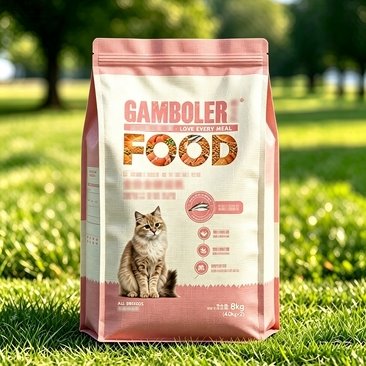
If you’re tired of dealing with flimsy bags that split when you turn your back, or you’re tired of suppliers that won’t own their mistakes, I’d love to chat. Whether you’re ordering a pallet for your small family farm or a bulk shipment for a co-op, we can hook you up with bags that fit your needs, and a warranty that actually works when you need it. Just reach out to talk through your specific requirements.
Livestock Feed Woven Bags References
- Packaging Digest. (2022). "Agricultural Packaging: Trends in Livestock Feed Bag Design and Performance Standards."
- American Feed Industry Association. (2021). "Best Practices for Packaging Livestock Feed to Reduce Loss and Improve Efficiency."
- International Society of Packaging Professionals. (2023). "Warranty Standards for Industrial and Agricultural Packaging Materials."
Zhejiang Xifeng Packaging Co., Ltd.
We are one of the most experienced livestock feed bags manufacturers and suppliers in China. With a professional production team, we offer a wide range of products with superior quality. Please feel free to buy bulk livestock feed bags at competitive price from our factory. We also accept customized orders.
Address: Xiaojiang Town, Pingyang County, Wenzhou City, Zhejiang Province, China
E-mail: zjxifeng@126.com
WebSite: https://www.xifengpackaging.com/
