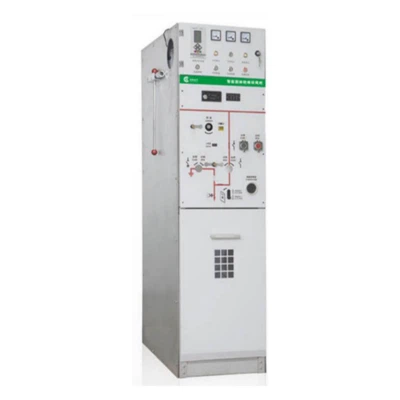
As a seasoned provider of low voltage switchgear, I’ve witnessed firsthand the pivotal role that Automatic Transfer Switches (ATS) play in ensuring the seamless operation of electrical systems. In this blog, I’ll delve into the various functions of ATS in low voltage switchgear, shedding light on their significance and how they contribute to the reliability and safety of power distribution. Low Voltage Switchgear
1. Power Source Transfer
One of the primary functions of an ATS in low – voltage switchgear is to transfer the power supply from the main source to an alternate source when the main source fails. This is crucial for maintaining continuous power to critical loads. For example, in a hospital, a sudden power outage can endanger patients’ lives. An ATS can quickly switch from the utility power to a backup generator, ensuring that life – support systems, lighting, and other essential equipment remain operational.
The transfer process is typically automatic and can be set to occur within a very short time frame, often within milliseconds. This rapid transfer minimizes the disruption to the electrical system and the connected loads. The ATS monitors the voltage, frequency, and phase of the main power source. When it detects an abnormal condition, such as a significant drop in voltage or a loss of power, it initiates the transfer sequence.
2. Load Management
ATS also plays a vital role in load management. In some cases, the backup power source may have limited capacity. The ATS can be programmed to prioritize certain loads over others during a power transfer. For instance, in a commercial building, non – essential loads like air – conditioning units or decorative lighting can be shed, while critical loads such as elevators, security systems, and data centers are maintained.
This load – shedding feature helps to ensure that the backup power source is not overloaded. By selectively disconnecting non – essential loads, the ATS can extend the runtime of the backup power source and provide power to the most critical functions for a longer period. Additionally, it can re – connect the shed loads once the main power source is restored and stable.
3. Synchronization
In situations where the backup power source is a generator, synchronization is a key function of the ATS. The generator needs to be in sync with the electrical grid in terms of voltage, frequency, and phase before it can be connected to the load. The ATS is responsible for monitoring the parameters of both the grid and the generator and ensuring that they match within acceptable limits.
Synchronization is essential to prevent electrical damage and ensure a smooth transfer of power. If the generator is not synchronized properly, it can cause power surges, voltage fluctuations, and even damage to the electrical equipment. The ATS uses sophisticated control algorithms to adjust the generator’s output and bring it into synchronization with the grid before transferring the load.
4. Monitoring and Diagnostic Functions
Modern ATS in low – voltage switchgear are equipped with advanced monitoring and diagnostic capabilities. They can continuously monitor the status of the power sources, the switchgear itself, and the connected loads. This includes monitoring parameters such as voltage, current, frequency, and temperature.
The monitoring data can be used to detect potential problems early. For example, if the voltage of the main power source starts to fluctuate outside the normal range, the ATS can send an alert to the maintenance personnel. Diagnostic functions can also identify faults within the switchgear, such as a malfunctioning contact or a short – circuit. This helps in proactive maintenance and reduces the risk of unexpected power outages.
5. Manual Override
Although ATS are designed to operate automatically, they also come with a manual override feature. This allows operators to take control of the power transfer process in special circumstances. For example, during maintenance or testing, the operator may need to manually switch between power sources.
The manual override feature provides an additional layer of flexibility and control. It ensures that the electrical system can be managed according to the specific requirements of the facility. However, it is important to note that manual operation should be carried out by trained personnel to avoid any safety hazards.
6. Compatibility with Different Power Sources
ATS in low – voltage switchgear are designed to be compatible with a variety of power sources. They can work with utility power, generators, and even renewable energy sources such as solar panels or wind turbines. This compatibility allows for greater flexibility in power system design.
For example, in a remote location where grid power is unreliable, a combination of a generator and solar panels can be used as power sources. The ATS can manage the transfer between these sources based on the availability and quality of power. It can also ensure that the power from different sources is integrated smoothly into the electrical system.
7. Safety Features
Safety is a top priority in low – voltage switchgear, and ATS are no exception. They are equipped with a range of safety features to protect the electrical system and the personnel. For example, ATS have arc – flash protection, which can detect and extinguish an arc flash within a very short time. This helps to prevent serious injuries and damage to the equipment.
In addition, ATS are designed to prevent back – feeding, which occurs when power flows from the backup source back into the main grid. Back – feeding can be extremely dangerous for utility workers and can cause damage to the grid. The ATS uses isolation mechanisms to ensure that power flows in the correct direction.
Why Choose Our Low – Voltage Switchgear with ATS
Our low – voltage switchgear with ATS offers several advantages. Firstly, our products are designed with the latest technology, ensuring high performance and reliability. We use high – quality components that are tested rigorously to meet international standards.
Secondly, our ATS are highly customizable. We can tailor the functions and features of the ATS according to the specific needs of your project. Whether you need a simple transfer switch for a small business or a complex load – management system for a large industrial facility, we can provide a solution that fits your requirements.

Thirdly, we offer excellent after – sales service. Our team of experienced technicians is available to provide installation, maintenance, and repair services. We also offer training programs to ensure that your staff can operate and maintain the switchgear effectively.
Low Voltage Switchgear If you are looking for a reliable low – voltage switchgear with advanced ATS functions, we invite you to contact us for a detailed discussion. Our experts will be happy to help you select the right product for your application and provide you with a competitive quote.
References
- Blackburn, J. L. (2013). Protective Relaying: Principles and Applications. CRC Press.
- Grob, B., & Pelton, M. (2017). Basic Electronics. McGraw – Hill Education.
- IEEE Standards Association. (2018). IEEE Standard for Automatic Transfer Switch Equipment. IEEE.
Huachi Electric Co., Ltd.
We’re well-known as one of the leading low voltage switchgear manufacturers in China, featured by quality products and good service. Please rest assured to buy customized low voltage switchgear made in China here from our factory. Contact us for more details.
Address: Plastic Park, Tongyu Street, Luqiao District, Taizhou City, Zhejiang Province
E-mail: HCDQ2026@163.com
WebSite: https://www.huachi-electric.com/
