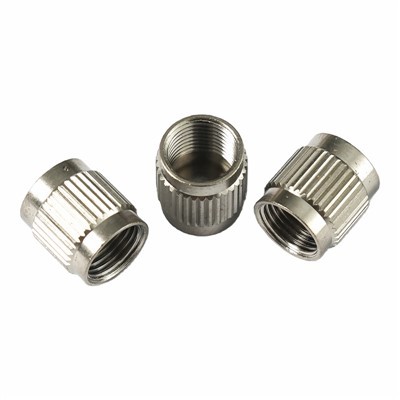
Hey there! I’m a supplier of carbon steel turned parts, and I’ve been in this game for quite a while. One of the most common questions I get from customers is, "How do I select the appropriate depth of cut for carbon steel turned parts?" Well, I’m here to break it down for you in a way that’s easy to understand. Carbon Steel Turned Parts
Understanding the Basics
First off, let’s talk about what the depth of cut actually means. In turning operations, the depth of cut is the distance that the cutting tool penetrates into the workpiece. It’s a crucial parameter because it affects the surface finish, tool life, and the overall efficiency of the machining process.
When it comes to carbon steel, it’s a widely used material in the manufacturing industry because of its strength, durability, and relatively low cost. But different grades of carbon steel have different properties, and these properties can influence the ideal depth of cut. For example, low – carbon steel is more ductile and easier to machine compared to high – carbon steel, which is harder and may require a different approach.
Factors to Consider
Material Hardness
As I mentioned earlier, the hardness of the carbon steel plays a big role. If you’re working with low – carbon steel (like AISI 1010 or 1020), you can generally go for a larger depth of cut. These steels are softer, so the cutting tool can penetrate more easily without causing excessive wear. On the other hand, high – carbon steels (such as AISI 1080 or 1095) are much harder. A large depth of cut can put a lot of stress on the cutting tool, leading to rapid wear and even tool breakage. So, for high – carbon steels, you’ll want to use a smaller depth of cut.
Tool Material and Geometry
The type of cutting tool you’re using is also important. Carbide tools are very popular for machining carbon steel because they’re hard and can withstand high cutting temperatures. They can generally handle larger depths of cut compared to high – speed steel (HSS) tools. HSS tools are more flexible but not as hard as carbide, so you might need to use a smaller depth of cut to ensure a reasonable tool life.
The geometry of the cutting tool also matters. Tools with a sharp cutting edge can make cleaner cuts and may allow for a slightly larger depth of cut. However, a tool with a large nose radius can provide better surface finish but might require a smaller depth of cut to avoid excessive cutting forces.
Machine Capability
Your machine’s power and rigidity are key factors. If you have a high – powered, rigid lathe, it can handle larger depths of cut without much vibration. But if your machine is older or less powerful, you’ll need to be more conservative with the depth of cut. Vibration can cause poor surface finish, uneven cuts, and can even damage the cutting tool. So, make sure to know your machine’s limits.
Surface Finish Requirements
The desired surface finish of the carbon steel turned part is another consideration. If you need a very smooth surface finish, you’ll probably want to use a smaller depth of cut. A smaller depth of cut reduces the amount of material removed at once, which can result in a better surface finish. But if surface finish isn’t as critical, you can increase the depth of cut to improve machining efficiency.
General Guidelines
Low – Carbon Steel
For low – carbon steel, a good starting point for the depth of cut is around 0.020 – 0.040 inches (0.5 – 1.0 mm). If your machine is powerful and the tool is in good condition, you can gradually increase the depth of cut up to 0.100 inches (2.5 mm) or even more in some cases. Just keep an eye on the tool wear and the surface finish.
Medium – Carbon Steel
Medium – carbon steels (like AISI 1040 or 1050) are a bit harder than low – carbon steels. A typical depth of cut for medium – carbon steel could be in the range of 0.015 – 0.030 inches (0.4 – 0.75 mm). Again, you can adjust this based on your machine, tool, and surface finish requirements.
High – Carbon Steel
As I said earlier, high – carbon steel is tough to machine. A depth of cut of 0.005 – 0.015 inches (0.12 – 0.4 mm) is a good starting point. You’ll need to be very careful when increasing the depth of cut with high – carbon steel to avoid tool damage.
Testing and Optimization
The best way to find the appropriate depth of cut for your specific carbon steel turned parts is through testing. Start with a small depth of cut and gradually increase it while monitoring the tool wear, surface finish, and cutting forces. You can use a dynamometer to measure the cutting forces and see how they change as you adjust the depth of cut.
Keep a record of your tests. Note down the material grade, tool type, machine settings, and the results. This way, you can build a database of optimal cutting parameters for different types of carbon steel turned parts. Over time, you’ll be able to quickly select the right depth of cut without having to do extensive testing every time.
Conclusion
Selecting the appropriate depth of cut for carbon steel turned parts is a balancing act. You need to consider the material hardness, tool material and geometry, machine capability, and surface finish requirements. By following the general guidelines and doing some testing, you can find the sweet spot that gives you the best combination of tool life, surface finish, and machining efficiency.
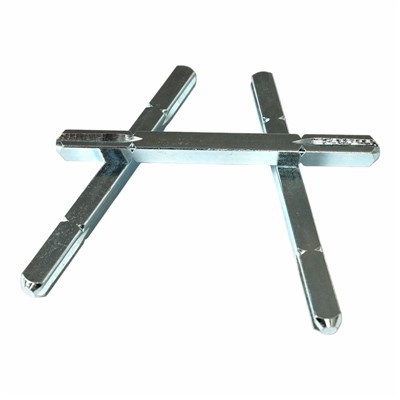
Stainless Steel Turned Parts If you’re in the market for high – quality carbon steel turned parts, I’d love to have a chat with you. Whether you’re a small – scale manufacturer or a large – scale industrial company, I can help you get the parts you need with the right machining parameters. Just reach out, and we can start discussing your specific requirements.
References
- "Machining Handbook", Industrial Press Inc.
- "Metal Cutting Principles", by Peter K. Wright and David A. Shaw.
Huizhou Quanyi Precision Hardware Products Co., Ltd.
We’re well-known as one of the leading carbon steel turned parts manufacturers and suppliers in China, featured by quality products and good service. Please rest assured to buy customized carbon steel turned parts made in China here from our factory. Contact us for more details.
Address: Building A10, 7th Floor, Zhongchuangyingke 5G Industrial Park, Zhonghan Industrial Park, Tonghu Town, Huizhou City
E-mail: info@qycncturning.com
WebSite: https://www.qycncturning.com/
