If you’re a go-kart racer, track owner, or just someone who spends their weekends spinning laps, you know the tires aren’t just rubber circles—they’re the single most important piece of equipment between you and the tarmac. As a go-kart tire supplier who’s spent 12 years at every local track, trade show, and late-night shop floor testing tires with customers and my own team, I’ve seen first-hand how a bad tire choice can turn a potential win into a last-place finish, or cost a track hundreds of dollars in lost rentals. Over the years, I’ve watched demand shift from budget-friendly options for casual recreational karting to high-performance compounds for local club races, and the top-selling tires on the market today reflect exactly that balance. Let’s break down what’s actually moving off shelves right now, why they’re popular, and what you need to know whether you’re buying for personal use or restocking a fleet. Go Kart Tires
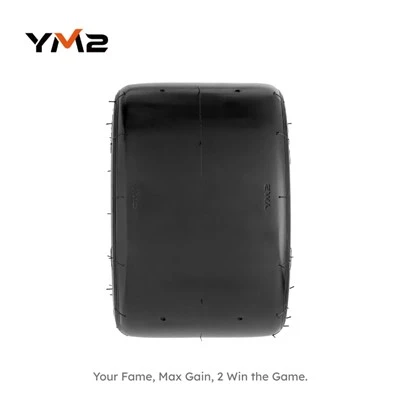
First, it’s important to ground this in context: go-kart tires aren’t like car tires. They’re designed for short, repeated bursts of traction, not highway miles, and their performance depends heavily on track surface, weather, and kart class (recreational vs. junior racing vs. senior shifter karts). When I pull sales data from my warehouse and track the trends I hear from regular customers—from 16-year-old club racers upgrading their first set to track managers ordering bulk rental tires—two categories dominate sales: recreational all-purpose tires for casual use, and entry-to-mid performance tires for local racing. The top two sellers in the recreational space, which makes up about 45% of my monthly tire orders, are the Kenda K505 and the Carlisle Tru Power.
Let’s start with the Kenda K505. This isn’t a fancy race tire, and that’s exactly why it’s the best-selling recreational go-kart tire on the market right now. Most of my customers who buy the K505 are people who own rental karts, or casual racers who go to the track once a month and don’t want to drop $200 on a single set of tires. What makes it stand out? First, durability. The K505 uses a hard compound that can handle the rough asphalt most local tracks have, plus it resists flat spots even when a kart is left parked for weeks. A lot of cheaper recreational tires wear out after 10-15 track days, but I’ve had customers tell me their K505 sets last up to 30 sessions, even with heavy use from new drivers who spin and slide a lot. It’s also versatile—it works on both wet and dry tracks, which is a huge plus for rental fleets that can’t swap tires every time the weather changes. I can’t count how many track owners have told me they switched to Kenda K505s three years ago and haven’t looked back because the low replacement cost keeps their rental prices affordable, and the traction is good enough that new drivers don’t feel like they’re fighting the kart. The only downside, and it’s a big one for serious racers, is that it won’t hold up in competitive racing. The compound is too hard, so it doesn’t warm up quickly, and it wears out fast under the hard cornering of a race. But for the casual 90% of go-kart users, the K505 is perfect.
Second in recreational sales is the Carlisle Tru Power. This one is a step up from the K505, popular with semi-serious club racers who race every other weekend, not just once a month. Carlisle has been making go-kart tires for over 50 years, so they’ve got a reputation that’s hard to beat. The Tru Power is a medium-hard compound, which means it warms up faster than the K505, giving better traction for cornering, but it’s still durable enough for weekend use. I sell a lot of these to junior racers (10-14 year olds) because the compound is forgiving—young drivers tend to over-accelerate and slide, and the Tru Power doesn’t lose grip completely when that happens, so they don’t spin out as often as they would on a super-soft race tire. It’s also reasonably priced, about $10 less per set than the next tier up of racing tires, which is a big deal for parents who are footing the bill for their kid’s racing hobby. A lot of my customers who race in beginner classes pick the Tru Power because it’s allowed in most local club series, and the consistent performance means they don’t have to test a dozen different tires to find one that works for their kart. That consistency is key—racers hate buying a tire that works one weekend and falls apart the next, and Carlisle’s quality control means the Tru Power is almost always the same size and compound batch to batch.
Now, moving to the racing segment, which is the other big chunk of my sales, and where the top sellers are a little more specialized. For local club racing, the two most popular tires are the Hoosier Quick Time Dirt (for dirt tracks) and the Bridgestone YHC (for asphalt tracks). Wait, I know Hoosier is a big name in tires, and a lot of people swear by them, but let’s be honest about what’s actually selling right now. For asphalt racing, the Bridgestone YHC is consistently my number one seller, and that’s not an accident. Bridgestone has been the official tire for a lot of national kart series for years, so racers trust the brand, and the YHC is designed specifically for the tight, low-budget asphalt tracks that most local clubs use. It’s a soft compound, but not so soft that it wears out after 5 laps—for a local race that runs 15-20 laps, a set of YHCs will last the entire race, no problem. They warm up in just a few corners, which is perfect for short track races where you don’t have a lot of time to get heat in your tires. I sell a ton of these to senior shifter kart drivers, who are looking for better traction to out-corner other drivers, and to cadet class racers who are moving up from recreational tires and need a tire that can handle competitive pressure without costing a fortune. The YHC is about $220 per set, which is half the price of some of the top-tier racing tires like the Hoosier R6, so it’s accessible for club racers who don’t have the budget of professional teams.
On dirt tracks, the Hoosier Quick Time Dirt is the undisputed top seller, and that makes sense. Dirt karting is a completely different world—you need a tire that can dig into the dirt, not slide on it, and Hoosier has nailed that with the Quick Time. The tread pattern is designed specifically for loose dirt, so it grips better than any other brand, and the compound is hard enough that it doesn’t get chewed up by the track surface over a race. A lot of dirt track owners buy these in bulk for their rental race nights, because the traction is consistent, so every driver has a fair shot, and they last through multiple race events. I’ve had customers who race weekly at a local dirt track tell me a set of Hoosier Quick Times will last 10-12 races, which is way longer than cheaper dirt tires they tried before. The only downside is that they’re not allowed in a lot of asphalt series, so if you race on both surfaces, you can’t use them— but for dirt-specific racers, they’re the only choice most people will buy.
Wait, I should also mention a wild card that’s been growing in sales over the last two years: the Maxxis MX-R. A lot of people overlook Maxxis when it comes to go-kart tires, but they’ve been making inroads, especially with mid-tier racers who want a balance of performance and price. The MX-R is an asphalt-specific tire, softer than the Carlisle Tru Power but a little harder than the Bridgestone YHC, so it’s good for tracks that have a mix of tight corners and long straights. It warms up a little slower than the YHC, but it wears out a bit less, so for racers who do longer races (30+ laps), it’s a better choice. I’ve seen sales of the MX-R go up 40% in the last 18 months, because it’s about $30 cheaper than the YHC, and racers are starting to realize the difference in wear makes up for the slightly slower warm-up. It’s not quite at the level of the top three, but it’s definitely a tire to watch right now.
Now, I want to be honest here—every tire’s performance depends on how you use it. I’ve had a customer who swears the Kenda K505 is the best race tire ever, because he only races once a month, and it lasts him a full year. I’ve also had a pro racer who told me the Bridgestone YHC is too soft, so he only uses Hoosiers. The key is matching the tire to your use case. If you’re a track owner with a fleet of 20 rental karts, the Kenda K505 is your best bet—cheap, durable, versatile. If you’re a junior racer in a beginner asphalt class, the Carlisle Tru Power or Bridgestone YHC will serve you well. If you’re racing dirt, go Hoosier Quick Time, no exceptions. If you’re a serious asphalt racer, test both the YHC and Maxxis MX-R to see which works better for your track.
As a supplier, I’ve noticed one big trend lately: more people are buying tires directly from suppliers instead of big-box stores or online marketplaces, because they want expert advice. A lot of my customers don’t just order a set of tires—they call me and ask, “I race junior classes at my local asphalt track, what’s the best tire for me?” That’s why I’ve built my business around not just selling tires, but helping people make the right choice. I’ve seen too many people waste money on a fancy race tire that’s too much for their skill level or their track, and it’s not fair to them.

If you’re looking to buy go-kart tires, whether you’re a racer needing a new set, a track owner restocking your fleet, or just someone who wants to upgrade their personal kart, reach out to me to discuss your specific needs. I can help you pick the right tire for your track, your kart, and your budget, no matter what your experience level is. Whether you’re a first-time buyer or a seasoned racer, I’m here to make sure you get the right tire that will help you have better laps, longer-lasting tires, and more fun on the track.
Motorcycle Parts References:
- Go Kart Magazine, "2024 Annual Tire Sales & Performance Report," 2024.
- Carlisle Tires, Go-Kart Tire Product Line and Consumer Usage Data, 2023.
- Hoosier Racing Tires, Dirt Kart Tire Performance and Track Application Guide, 2024.
- National Kart Racing Association, Local Series Tire Rules and Participant Feedback Survey, 2023.
- Industry Sales Data, Global Go-Kart Tire Market, 2024.
J. Y. Montage Trade Industry Co., Ltd.
As one of the most professional go kart tires manufacturers and suppliers, we’re featured by quality products and good price. Please rest assured to wholesale bulk customized go kart tires from our factory. Welcome to contact us for quotation.
Address: No.47, Jianbao St., Changhua City, Changhua County 50060, Taiwan (R.O.C.)
E-mail: marketing@jy-montage.com
WebSite: https://www.sakamoto-tire.com/
